
A water dispenser with a purifier looks simple from the outside. You press a button and cold, clean water comes out. Inside, though, the water goes through several stages before it reaches your glass. Here is what happens in a Coway-style dispenser, and what to check when you pick one.
The Basic Idea
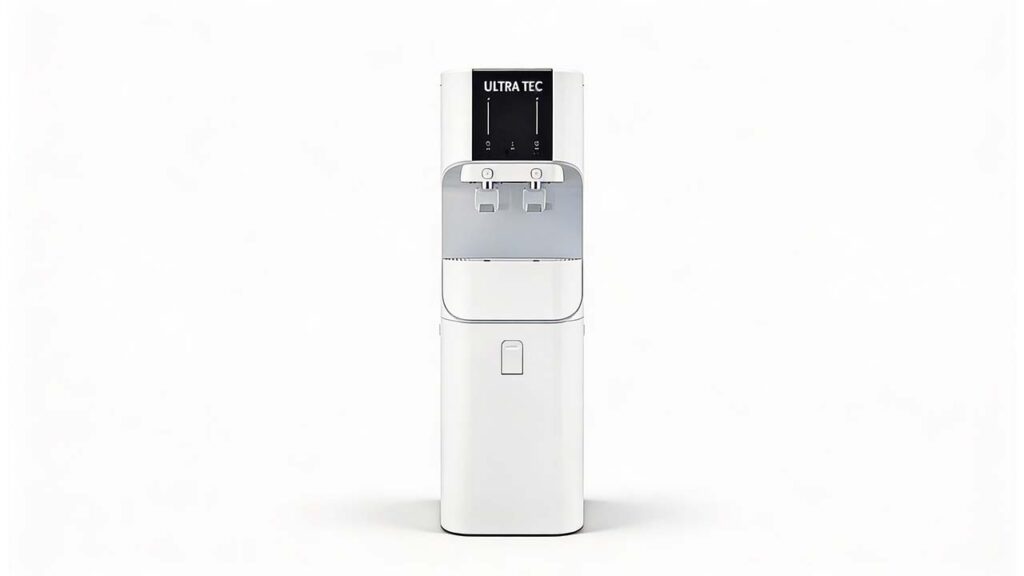
A single unit combines the functions of a water purifier and dispenser. Their first function removes tap or tank water minerals through filters. After clean water goes through that filtration process it gets both stored and cooled ready for instant access. The system is popular in homes and offices since it does away with bottled water delivery services. For your viewing during research you can check out the Coway water purifier dispenser which features reverse osmosis purification providing chilled and normal temperature water.
Step by Step: What Happens to the Water
| Stage | What It Removes |
| Sediment filter | Sand, rust flakes and visible dirt |
| Pre-carbon filter | Chlorine, odor and bad taste |
| RO membrane | Dissolved salts, heavy metals and many chemicals |
| Post-carbon filter | Leftover taste and smell before storage |
| Storage tank | Holds clean water until you need it |
Heavy work is done by the RO membrane. Because of their very tiny pores many dissolved solids have no access to the membrane pores so they get flushed away as reject water. Before reaching the membrane the other stages perform two essential tasks by both protecting the membrane and polishing the water. For a deeper understanding of this stage you should check out reverse osmosis systems.
Why Stage Order Matters
There is a purpose behind every filter position. Sediment locks in the front since grit would obstruct every component behind it. Carbon exists before the membrane because chlorine chemicals harm the RO membrane throughout extended periods. The last carbon polishing step removes all traces of flavor that accumulated throughout the storage system. Membrane longevity decreases alongside declining water taste quality when we switch filters from their original order of operation.
What Comes Out at the Tap
| Water Quality | Before | After a Good RO Dispenser |
| Dissolved salts (TDS) | Often high in UAE tap and tank water | Greatly reduced |
| Chlorine taste | Noticeable | Largely gone |
| Sediment | May be present | Removed |
| Temperature | Room | Cold or room, by setting |
The result depends on your starting water. If your supply is very salty or hard, the dispenser works harder, and filters wear faster. A simple water quality tester lets you check TDS before and after, so you can see the difference yourself.
How Does a Coway Water Dispenser Cool and Dispense Water?
After purification, the water goes into an internal tank. A cooling unit chills part of it, and a display shows the temperature. When you press the lever, water moves from the tank to the outlet. Some dispensers add a UV lamp inside the tank to keep stored water fresh. If you want that extra step in a separate setup, see UV sterilization.
Coway Water Filters: Replacement Timing
Filters are the only part of a dispenser that needs regular attention. Skipping changes is the most common reason people say a purifier “stopped working.”
| Filter | Typical Change Interval |
| Sediment filter | 6 months |
| Pre-carbon filter | 6 to 12 months |
| RO membrane | 2 to 3 years |
| Post-carbon filter | 12 months |
These are general ranges. Heavy use or poor source water shortens them, so follow the manual for your model. Fresh water filter cartridges and a maintenance service make the job easy.
Dispenser or Standalone Purifier?
It depends on how many people use the water and where.
| Feature | Dispenser with Purifier | Under-sink or Wall Purifier |
| Cold water | Built in | Needs a separate chiller |
| Space | Floor-standing unit | Hidden under sink or on wall |
| Best for | Offices, clinics, schools | Homes and small kitchens |
| Output | Higher, steady supply | Lower, depends on tank |
For a home kitchen, a domestic RO water filter is often enough. For larger sites, a commercial RO system may suit the demand better.
Other Dispenser Options
If you are still comparing, a few other models are worth a look. The office RO water filter dispenser is built for shared workspaces. The alkaline water dispenser adds a mineral stage for softer-tasting water. For heavy daily use, the stainless steel RO dispenser is more durable, and a separate water chiller can help when you need more cold water capacity.
Final Word
A Coway water dispenser purifies water through a clear chain: sediment, carbon, RO membrane, polish, storage and cooling. The system works best when the filters are changed on time and the source water is checked. If you want help picking the right model for your home or office, contact the Ultratec.
FAQs
Does a water dispenser with a purifier remove TDS?
Yes, the RO membrane removes most dissolved salts, so TDS drops a lot. The result depends on your starting water.
Is a purifier dispenser the same as a normal water dispenser?
No, a normal dispenser only chills or heats water. A purifier dispenser also filters it first.
Does an RO dispenser waste water?
Yes, some water leaves as reject water while the membrane cleans itself. The amount varies by model and feed water quality.
How do I know my dispenser filters need changing?
Slow flow, a returning chlorine taste, or rising TDS readings are the usual signs. A TDS meter makes this easy to check.
Is RO water from a dispenser safe to drink every day?
Yes, RO water is commonly used for daily drinking. It has fewer minerals, which is why some models add a mineral stage.