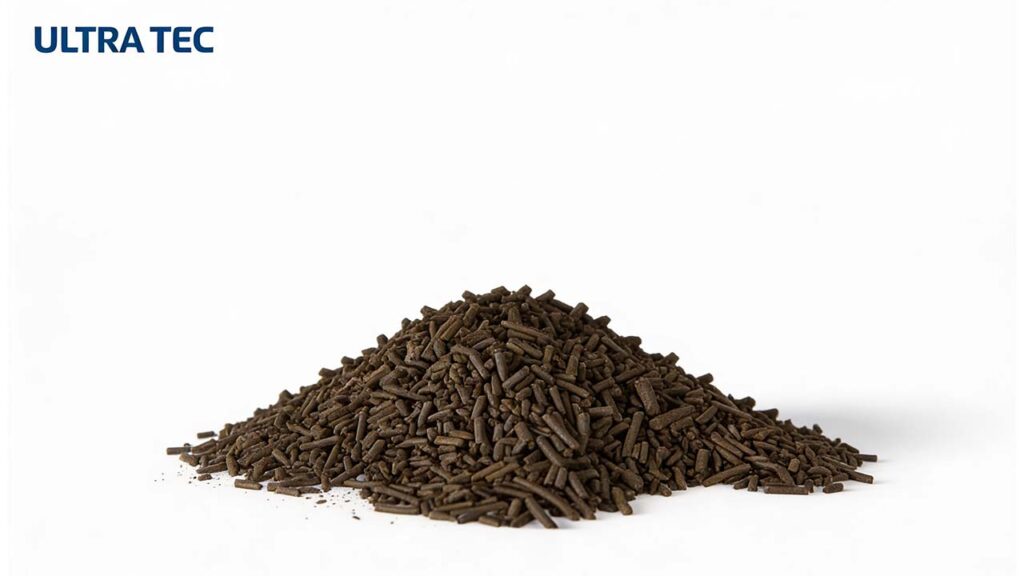
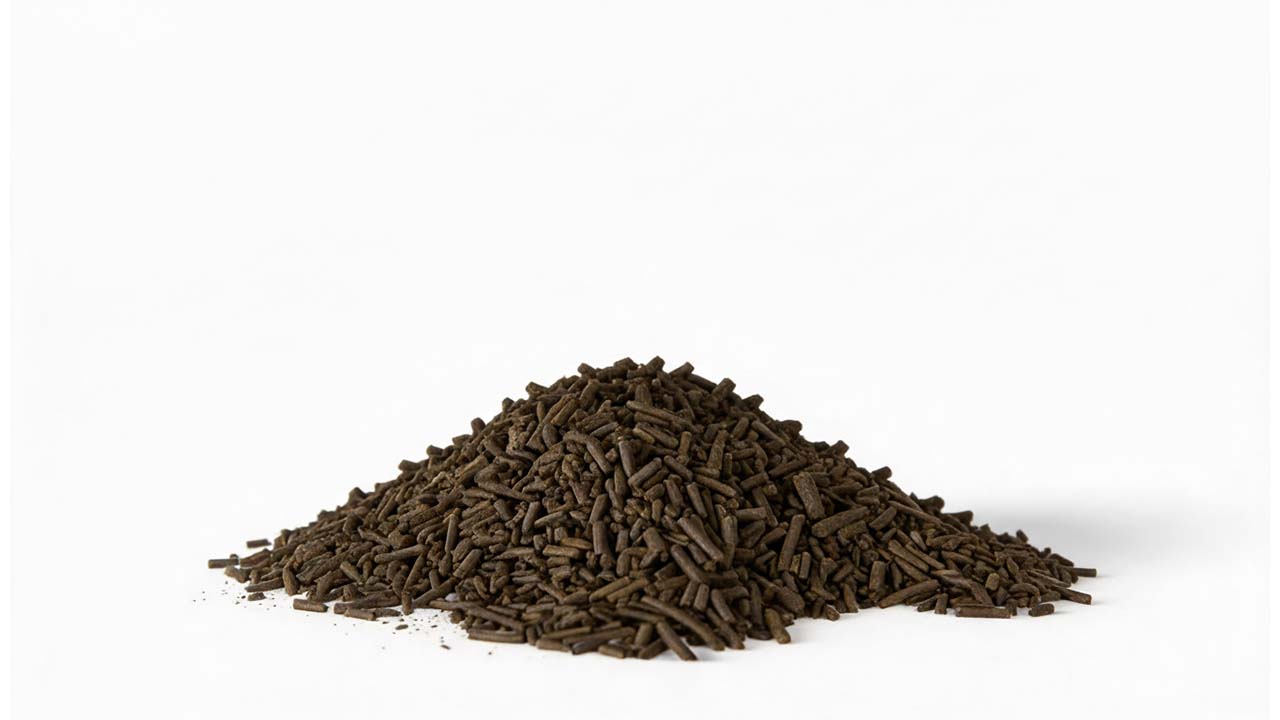
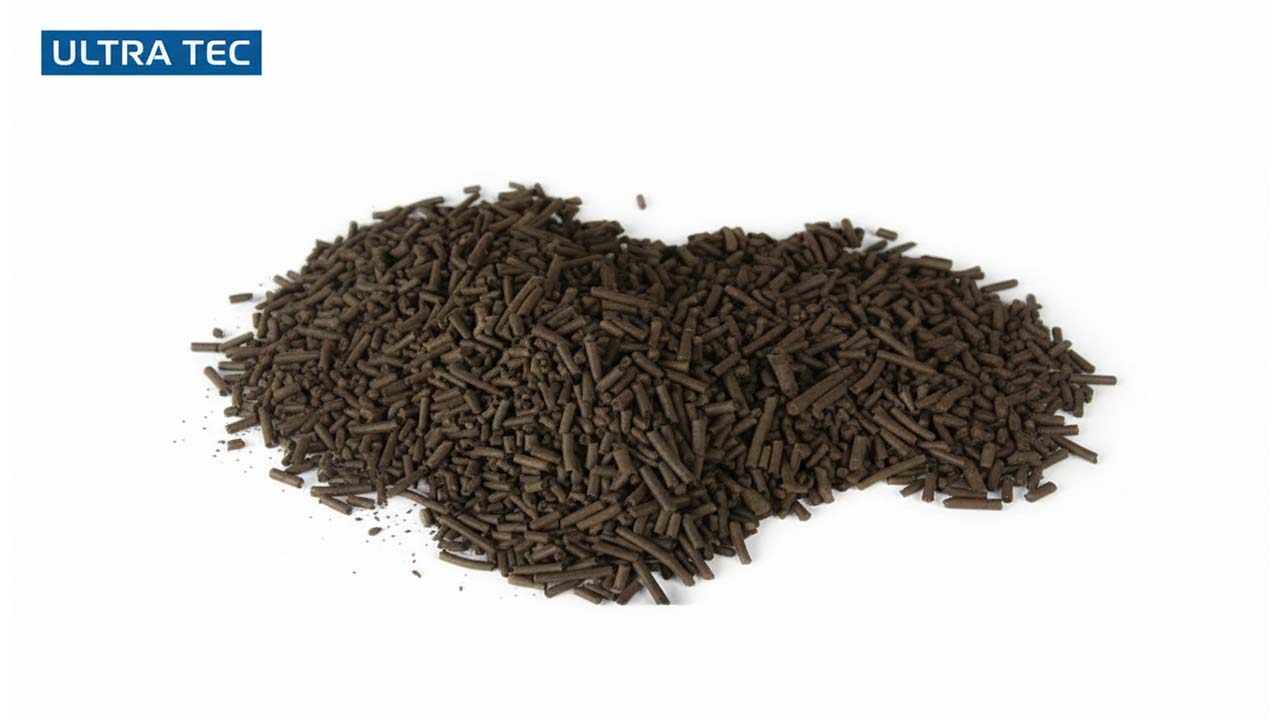
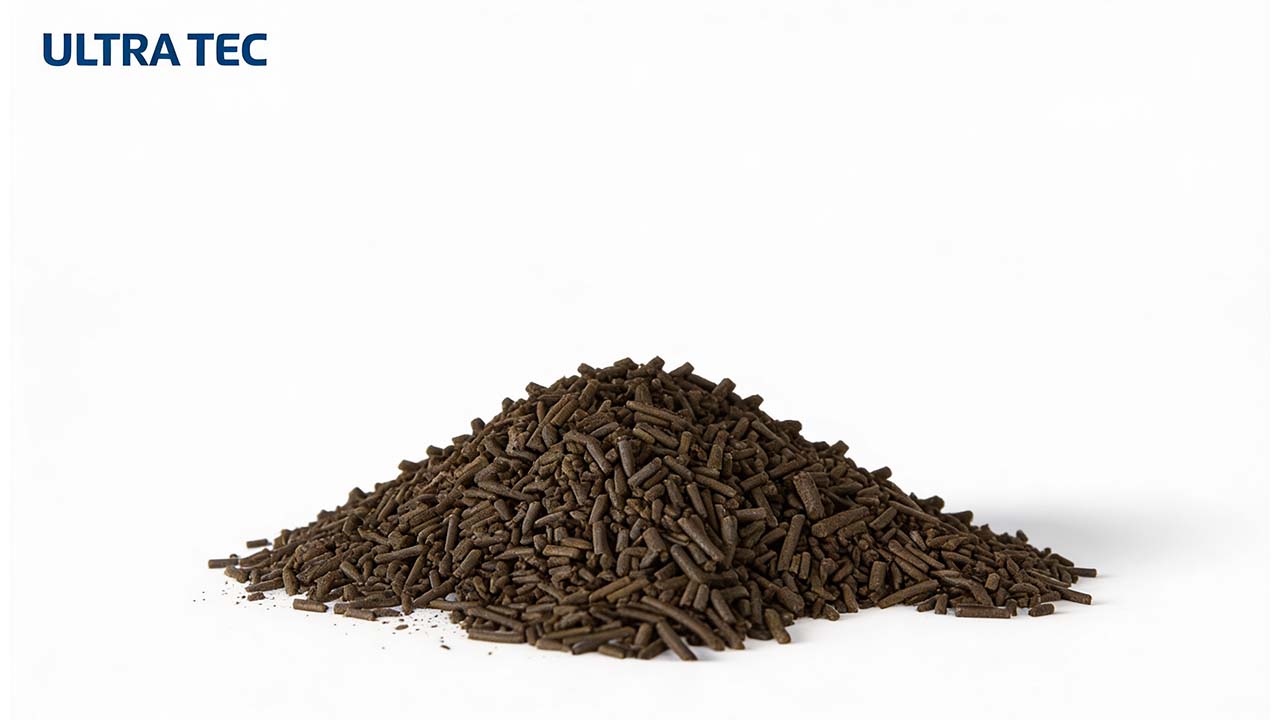
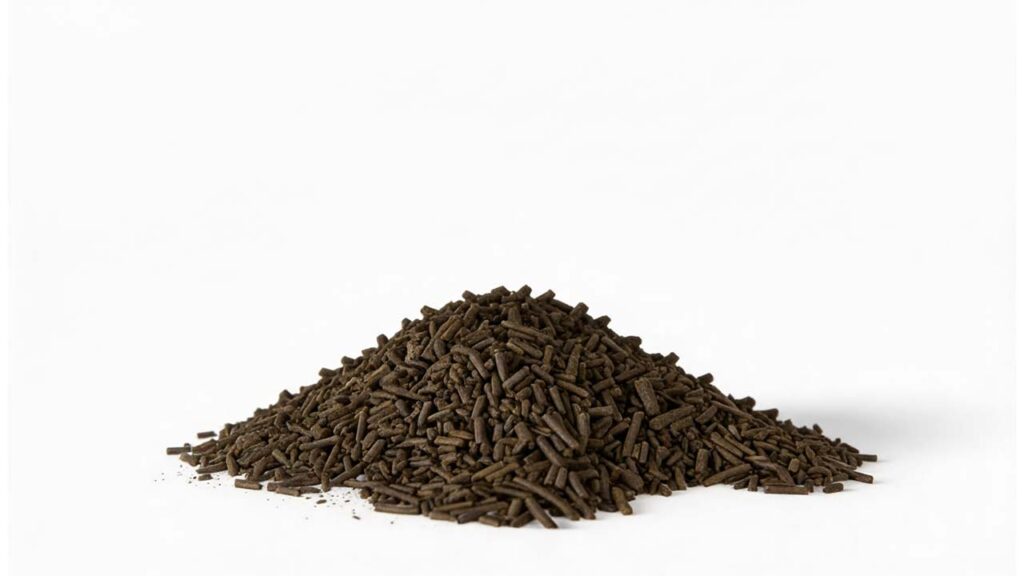
Looking for reliable activated carbon in UAE for water purification and filtration? Activated carbon is widely used in water treatment systems to reduce unwanted chemicals, odors, colors, and organic impurities from water. It is a practical filtration media for residential, commercial, and industrial water treatment applications.
Ultra Tec Water Treatment LLC in UAE supplies quality activated carbon suitable for different filtration requirements, helping water treatment systems deliver cleaner and better-quality water.
Key Features
Effective adsorption of organic impurities
Helps reduce unpleasant odors and tastes
Available for residential, commercial, and industrial use
Supports effective water purification
Suitable for regular water treatment applications
Easy to integrate into filtration systems
Key Specifications
Specification
Details
Product Type
Activated Carbon
Application
Water Filtration & Treatment
Main Function
Adsorption & Purification
Suitable For
Residential, Commercial & Industrial
Filtration Use
Activated Carbon Water Filtration
Supply
UAE
Applications
Activated carbon is commonly used in activated carbon water filtration systems for treating different types of water.
Drinking water treatment
Commercial water filtration
Industrial water treatment
Pre-treatment systems
Reverse osmosis pre-filtration
Removal of taste and odor
Reduction of organic contaminants
Model
Activated Carbon for Water Treatment
Activated carbon for water treatment is an important filtration media because of its ability to adsorb various unwanted substances from water. It can be used as part of a complete treatment system or as a dedicated carbon filtration stage.
Businesses looking for activated carbon suppliers in UAE can use it for water treatment plants, filtration systems, and other purification applications. The right carbon media should be selected according to the water quality, treatment objective, and system requirements.
Activated Carbon Price in UAE
The activated carbon price in UAE can vary depending on the carbon type, grade, quantity, application, and required specifications. For an accurate quotation, contact Ultratec Water Treatment Company in UAE with your filtration requirements.
Buy Activated Carbon in UAE
Need activated carbon for your water filtration system? Buy activated carbon from Ultratec Water Treatment Company in UAE and get the right filtration media for your application. Contact us today for price, availability, product specifications, and expert guidance, and let our team help you select the suitable activated carbon for your water treatment needs.
Get In Touch
Contact our team in Dubai to discuss your water treatment requirement and receive a solution configured for your site.
Explore related residential water treatment products designed to improve drinking water quality, reduce unwanted contaminants, and provide better water solutions for homes, apartments, and commercial spaces. UltraTec offers a range of filtration, purification, and water conditioning systems designed for UAE water conditions and everyday customer needs.
FRP pressure vessels are composite tanks. A blow moulded seamless liner of non – permeable thermoplastic is over wounded with miles of epoxy reinforced fibre glass laminate for top strength and performance.
Ion exchange resins are a critical part of Dubai’s comprehensive water purification infrastructure. These specially formulated porous polymers remove unwanted dissolved ions from raw water sources through an ion exchange reaction.
A pump is a device that moves fluids (liquids or gases), or sometimes slurries, by mechanical action. Pumps can be classified into three major groups according to the method they use to move the fluid: direct lift, displacement, and gravity pumps.
Ultratec supplies a range of dosing pumps for accurate and controlled chemical injection in residential, commercial, and industrial water treatment systems.
Replacement filtration cartridges including sediment filters, carbon filters, and other filtration components for maintaining residential water treatment systems.